Team quizzes tap into something special about human nature—our love for friendly competition and shared learning. When we play quizzes together, whether at work or with friends, we strengthen bonds while having a brilliant time discovering what everyone knows.
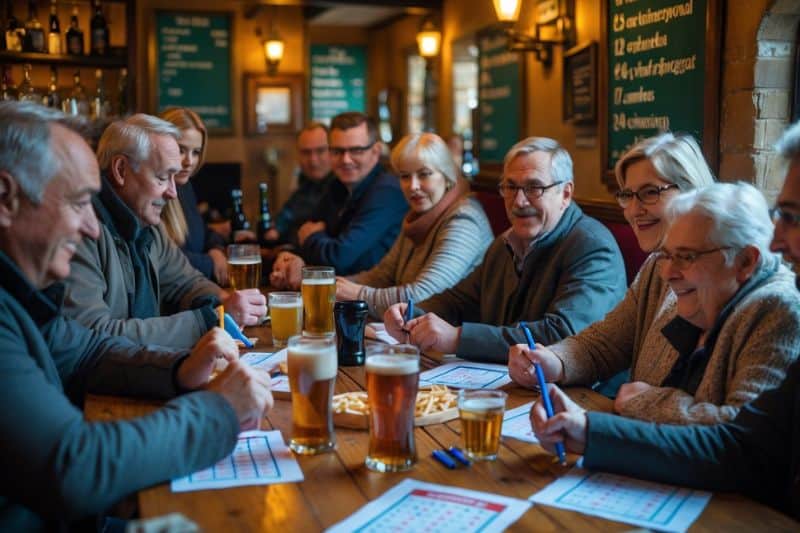
Quiz games are inherently social, bringing people together through friendly competition and shared moments of triumph. There’s something magical about that collective “aha!” moment when someone knows the answer, or the gentle groans when we all get stumped by a tricky question.
From office team-building sessions to virtual gatherings with distant friends, team quizzes have become our go-to way to connect. They’re perfect for breaking the ice and sparking conversations.
- Team quizzes naturally bring people together through shared learning and friendly competition
- Playing quiz games helps build stronger relationships and improves communication between participants
- Both in-person and virtual quiz formats offer excellent opportunities for meaningful social connection
The Joy of Playing Quizzes Together
Team quizzes transform a simple mental challenge into a delightful social experience. We share knowledge, create memories, and strengthen our bonds with others.
Why We Love Group Play
There’s something special about gathering round with friends or family for a quiz night. We naturally crave connection and shared experiences that bring us closer together.
Quiz games are inherently social, whether we’re at the local pub, playing on our phones, or hosting game nights at home. These activities create perfect opportunities for friendly competition and group collaboration.
When we play together, we can:
- Pool our knowledge from different life experiences
- Share the pressure of difficult questions
- Celebrate victories as a team
- Learn from each other’s expertise
Group play makes us feel less intimidated by challenging questions. If we don’t know about modern technology, maybe our teammate knows about gardening or classic films.
The beauty lies in how our different strengths complement each other perfectly.
Building Lasting Connections
Team quizzes create wonderful opportunities to deepen our relationships with others. We discover hidden talents and knowledge in people we thought we knew well.
Social settings provide excellent opportunities to build and strengthen relationships during family game nights, pub quizzes with friends, or online competitions.
Playing together reveals fascinating sides of our personalities. We might find out our quiet neighbour knows everything about 1960s music, or that our daughter-in-law is brilliant at geography.
These shared moments create lasting memories. We remember the time we worked together to solve a particularly tricky question, or when someone surprised us all with unexpected knowledge.
Common bonding moments include:
- Working through difficult questions together
- Celebrating correct answers as a team
- Sharing stories triggered by quiz topics
- Supporting each other through challenging rounds
Laughter and Light-Hearted Challenge
The best part of team quizzes is how they fill our time with genuine laughter and joy. Wrong answers become sources of amusement rather than embarrassment.
When we play in groups, incorrect guesses often lead to the funniest moments. Someone’s wild guess about a historical date might send everyone into fits of giggles.
What makes us laugh during quizzes:
- Completely wrong but creative answers
- Amusing debates over possible solutions
- Silly mistakes we make under pressure
- Unexpected knowledge gaps we all share
The competitive element stays friendly and encouraging. We’re not trying to make anyone feel bad—we’re all in it for the fun and mental stimulation.
Group quizzes encourage teamwork and spark lively discussions, creating an atmosphere where everyone feels comfortable participating.
Even when we disagree on answers, the discussions remain light-hearted. These gentle challenges keep our minds active while making sure everyone enjoys themselves.
How Team Quizzes Encourage Team Building
Team quizzes create natural opportunities for colleagues to work together, share knowledge, and discover hidden talents within their group. These fun team-building activities help break down barriers while celebrating what makes each person unique.
Collaboration and Communication
When we gather round for a team building quiz, something magical happens. People who rarely speak in meetings suddenly find themselves sharing ideas and building on each other’s thoughts.
Team building quizzes encourage open communication as colleagues work together to solve questions. We watch as quiet team members contribute their expertise while natural leaders learn to listen more carefully.
The beauty lies in how questions require different types of knowledge. One person might know historical facts while another excels at pop culture.
- Active listening develops as team members share knowledge
- Idea sharing happens naturally without pressure
- Problem-solving becomes a group effort
- Respect grows as people appreciate different perspectives
Breaking the Ice and Welcoming New Members
New team members often struggle to find their place in established groups. A team-building quiz removes this awkwardness by creating a level playing field where everyone can contribute.
These activities work brilliantly because they’re low-pressure and feel more like a game than work. We’ve seen shy newcomers light up when they answer a question nobody else knows.
Questions about personal preferences or fun facts help us learn about each other beyond job titles. Someone might discover their colleague plays piano or travelled to unusual places.
- Equal participation regardless of seniority
- Shared laughter creates positive memories
- Personal connections form naturally
- Workplace anxiety decreases in relaxed settings
Celebrating Each Person’s Strengths
Every team quiz reveals hidden talents and knowledge areas we never knew existed. The accountant who knows everything about 1970s music or the manager who’s brilliant at geography puzzles.
This team-building activity reveals hidden strengths while boosting confidence. We love watching people beam with pride when their specialist knowledge saves the team.
Recognition happens naturally during these sessions. Colleagues start appreciating different types of intelligence beyond work-related skills.
- Diverse knowledge gets valued equally
- Confidence building through positive recognition
- Team appreciation for individual contributions
- Skill discovery beyond job requirements
The competitive element adds excitement without creating serious pressure. Teams work together against other groups, building internal bonds while keeping things friendly.
Popular Types of Team Quizzes & Social Games
Team quizzes come in many exciting forms, from traditional trivia questions and answers to personalised challenges that help us learn about each other. These games work brilliantly whether we’re meeting face-to-face or connecting virtually with friends and family.
Trivia Quizzes for All Tastes
Trivia quizzes remain the most beloved choice for group entertainment. We can choose from countless themes like classic films, British history, or favourite television programmes from decades past.
Interactive team quiz games offer everything from virtual trivia to traditional pub-style competitions. These work perfectly for teams of any size.
- Classic British sitcoms and dramas
- Royal family knowledge
- 1960s and 1970s music
- Famous landmarks and travel
- Cooking and gardening tips
Many platforms now offer ready-made trivia questions that we can use straight away. This saves us time and still provides hours of fun and friendly competition.
General Knowledge and Nostalgic Rounds
General knowledge questions create the perfect balance of challenge and nostalgia. We love reminiscing about the “good old days” while testing what we remember.
These rounds often include questions about historical events we lived through. Think moon landings, royal weddings, or changes in British currency over the years.
- British geography and counties
- Famous authors and their books
- Traditional recipes and cooking methods
- Vintage household items and their uses
The beauty of general knowledge rounds is that everyone brings different life experiences. What seems obvious to one person might be completely new to another, making conversations flow naturally.
Icebreaker and Personalised Questions
Team-building quiz questions help us discover surprising things about people we thought we knew well. These personalised games create wonderful bonding moments.
We might ask about childhood memories, favourite family traditions, or unusual talents. These questions often lead to the most laughter and storytelling.
- “What was your first job?”
- “Which decade had the best music?”
- “What’s your most treasured possession?”
- “Which historical figure would you invite for tea?”
These personal touches make quiz time feel more like a cosy chat with dear friends. We end up learning delightful details about each other that strengthen our connections.
Virtual Team Quizzes: Bringing Remote Teams Together
Remote work has changed how we connect with our colleagues, but online quiz games help us bridge the distance. These digital activities let us share laughs and create bonds even when we’re miles apart.
How Online Quizzes Work
Most virtual quiz platforms follow a simple format that makes joining easy for everyone. We typically receive a link or code to enter the game through our computers or phones.
The quiz host shares questions on their screen while we submit our answers using our devices. Some platforms show everyone’s responses in real-time, which creates excitement as we watch scores change.
- Multiple choice questions
- True or false rounds
- Picture identification games
- Audio clips for music rounds
Many interactive trivia platforms come with ready-made question sets. We can also create custom quizzes about our workplace, colleagues, or shared interests.
The scoring happens automatically, so nobody needs to worry about keeping track of points. Most games show a leaderboard that updates after each question, adding friendly competition to our virtual meetings.
Favourite Platforms: Slack, Zoom, and More
Slack makes quiz games easy since most of us already use it for work chat. Quiz bots can post questions right in our team channels throughout the week.
Zoom is great for live quiz sessions when we want to see each other’s reactions. The screen sharing feature lets our quiz master display questions, and we use breakout rooms for team rounds.
| Platform | Best For | Key Feature |
|---|---|---|
| Kahoot! | Large groups | Colourful, game-show style |
| QuizBreaker | Regular team building | Weekly automated quizzes |
| Slides With Friends | Custom content | Easy quiz creation |
Slides With Friends offers interactive games that work well with video calls. We’ve found it fun for mixing quizzes with other team activities.
Some teams like using Mentimeter or Poll Everywhere for quick quiz rounds during meetings. These tools let us add trivia questions on the fly without switching platforms.
Tips for Including Everyone
Time zones can be a headache with teammates all over the map. We rotate quiz times so everyone gets a shot at joining at a decent hour.
Technology comfort levels aren’t the same for everyone. We send out simple instructions before each session and start with a practice question to ease people in.
Question variety keeps it lively:
- Mix easy and tough questions
- Include topics everyone can relate to
- Add workplace-specific questions for inside jokes
- Use visual questions for those who prefer pictures
We’ve found that 15-30 minute quiz sessions fit busy schedules. Any longer and people start to drift.
Accessibility matters as well. We pick platforms that run on different devices and offer options for those with hearing or visual challenges. Some quiz tools even have text-to-speech or large text features.
Creating teams instead of making it a solo competition usually works better for virtual team building. It encourages teamwork and takes the pressure off folks who feel nervous about trivia.
Hosting Your Own Team Quiz Night
The real magic happens when we pick engaging themes that spark conversation. Clear rules and a warm, welcoming vibe help everyone feel valued and excited to join.
Choosing Themes and Rounds
Mixing familiar topics with a few surprises keeps people interested. Popular themes include decades from the past, classic films, British TV, gardening, cooking, and local history.
Classic Theme Ideas:
- 1960s Music & Culture – Songs, fashion, and big events
- British Sitcoms – Characters, catchphrases, and storylines
- Royal Family Through the Years – Traditions, ceremonies, and milestones
- Cooking & Baking – Traditional recipes and kitchen wisdom
Plan on 6-8 rounds with 5-6 questions each. This team-building activity works best when we mix up the question types.
Try combining multiple choice with picture rounds and true-or-false statements. Toss in a music round where teams guess songs from just a few notes. A “mystery object” round using old household items can be a fun curveball.
Setting Up Fun Rules and Scoring
Simple rules help everyone feel comfortable. Teams of 4-6 usually encourage discussion without things getting chaotic.
Essential Rules to Establish:
- Team Size: Up to 6 members per team
- Conferring Time: 60 seconds per question
- Answer Format: Write clearly on the provided sheets
- No Mobile Phones: Keeps things fair
Give one point for each correct answer and bonus points for especially tough questions. We like giving two points for questions marked “challenging” ahead of time.
Offer consolation prizes for creative wrong answers or the funniest team name. This makes the team building quiz feel inclusive, not just competitive.
Keep a running score visible to all teams. Announce standings after every couple of rounds to keep excitement up without stressing anyone out.
Creating a Welcoming Atmosphere
The physical setup really changes how at ease people feel. Arrange seating in circles or around small tables so everyone can chat and work together.
Atmosphere Essentials:
- Comfortable Seating: Cushioned chairs around small tables
- Good Lighting: Bright enough for writing, cosy enough for chatting
- Background Music: Soft tunes during breaks between rounds
- Refreshments: Tea, coffee, and light snacks within reach
Acknowledging everyone’s contributions keeps spirits up. Celebrate right answers with some enthusiasm, and offer gentle encouragement when teams get stuck.
A practice round at the start helps everyone understand the format. It also helps nervous folks settle in and feel ready for the main event.
Quiz Tips: Making Social Play Inclusive and Memorable
Making a great quiz means thinking about everyone in the group and finding ways to keep things light. The right mix of questions and a focus on participation over winning helps people feel included.
Adapting Questions for Your Group
Getting to know your players really matters when picking questions. We should consider ages, backgrounds, and interests before choosing topics.
Mix question types so everyone gets a chance to shine. Some folks love general knowledge about history or geography, while others prefer pop culture or practical questions about cooking and gardening.
Try these question categories:
- Nostalgic topics: Music, films, and events from the 1960s-80s
- Everyday knowledge: Household tips, cooking, and local history
- Light current events: Royal family updates and feel-good news
- Personal questions: “What’s your favourite comfort food?”
Vary the difficulty within each round. Start with easy warm-up questions that most people can answer, then gradually add more challenging ones for those who want a stretch.
Keep cultural references broad but familiar. Questions about British TV, local landmarks, or shared experiences often bring people together.
Balancing Competition and Fun
The best quizzes feel more like conversations than contests. We want everyone to join in without stressing about being right or wrong.
Try team formats instead of solo play. Mix up the groups so friends don’t always stick together. It helps quieter folks speak up and creates new connections.
Celebrate creative answers even if they’re off the mark. If someone gives a funny wrong answer, let’s have a gentle laugh instead of just moving on.
Consider these friendly approaches:
- Give points for effort and creativity
- Include “everyone wins” rounds where all teams get points
- Focus on the fun discussions that pop up from questions
- Keep scores light-hearted, not cutthroat
Build in social moments between rounds. Let people chat about their answers or share stories. Sometimes those conversations end up being the best part of the night.
It’s good to keep an eye on the room’s energy. If things get too competitive, toss in a silly question or two and let everyone laugh together.
Keeping Spirits High
The atmosphere matters just as much as the questions themselves. We want everyone to leave feeling good about themselves and excited to come back.
Acknowledge everyone’s contributions throughout the quiz. Thank people for sharing stories, compliment good teamwork, or highlight interesting answers that sparked discussion.
If someone struggles with questions, try offering gentle hints or steer the conversation toward topics they know well. Nobody should feel embarrassed or left out—that’s just not the vibe we’re after.
Create positive traditions that people look forward to. Maybe we always start with tea and biscuits.
Or maybe we end with everyone sharing their favourite moment from the evening. Little rituals like these can make the experience feel special.
Watch for signs that someone isn’t enjoying themselves:
- Not joining in discussions
- Looking frustrated or upset
- Sitting quietly while others chat
Quick fixes could be partnering them with a supportive teammate or asking them about topics they’re passionate about. Sometimes just checking in privately during a break works wonders.
Quiz organising really does require attention to team dynamics if you want everyone engaged. The goal? Create an environment where people feel comfortable sharing knowledge and learning from each other—even if things get a bit silly sometimes.